

Indoor Air Quality Evaluation

What is it? Indoor air quality is defined by the health and comfort of the occupants. If the people in the building have fresh air circulating through out the building and it is between 68-72 degrees with approximately 35-55% relative humidity, most people would be quite comfortable, but when a shift in either the temperature, humidity, amount of carbon monoxide (CO) and carbon dioxide (CO2) within the building occurs that is when the comfort level and the health of the air can change. If you have strange odors from new flooring, paneling, wallcovering, painting, and decorating, ie: new furniture, then you might…

0 Comments

Indoor Air Quality in the Home

Indoor air quality is important, but often worse than you might expect. There are things that can be done to improve it. The quality of indoor air can be worse than that of outdoor air. Today many homes are built or remodeled without regard to the factors that assure fresh and healthy indoor air. Our homes today are built more tightly, contain many furnishings, appliances and products that can and do affect indoor air quality. Signs of Indoor Air Quality Problems Include: asthma and allergy symtoms unusual and musty odors stale or stuffy air a noticeable lack of air dirty…

0 Comments

Inspection Tips

Starting at the foundation Examine for cracks, damage to footing, undermining, trip hazards, raising/settling, slippage, etc… Proper grading and drainage – What type of soil does the house sit on? Does water drain away from the foundation or are there drains in the yard? Do they work? Check the eves, the walls: stucco/wood siding/stone or masonry cladding for cracks, moisture intrusion, staining or damage. Examine all windows, sills, and flashings; door casings, doors and weather stripping. What types of windows are there? Do the windows operate? Any damage or broken seals? Water stains or blistering noted? Do all exterior doors…

0 Comments

Mold & Indoor Air Quality

Got LEAKS?  Got MOLD?  Got ALLERGIES? What is Mold? What does Mold need to grow? Mold needs water to grow, without water it cannot grow. Mold also needs food, oxygen and a temperature between 40 and 100 degrees F. Mold needs a damp or wet organic material to grow on. Some molds can get moisture from the air. All they need is a relative humidity above 80%. Mold is virtually everywhere. Why do I need to know anything about Mold? Mold can affect your health. It can also damage or destroy building materials. Molds sometimes make powerful chemicals called mycotoxins.…

0 Comments

Radon – A Significant Health Hazard

What is Radon? Radon is a colorless, odorless, tasteless, and chemically inert radioactive gas. It is formed by the natural radioactive decay of uranium in rock, soil, and water. Naturally existing, low levels of uranium occur widely in earth’s crust. It can be found in all 50 states. Unless you test for it, there is no way of telling how much is present. When radon undergoes radioactive decay, it emits ionizing radiation in the form of alpha particles. It also produces short-lived decay products, often called progeny or daughters, some of which are also radioactive. Unlike radon, the progeny are…

0 Comments

The Use of Thermal Infrared Thermography In Building Inspection

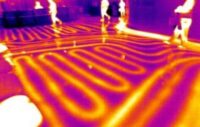
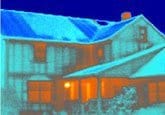
Infrared thermography is the quickest and most efficient method to detect energy waste, moisture intrusion, electrical problems, identify missing insulation, plumbing and structural defects in buildings. An infrared camera shows exactly where the issues are and helps focus the inspector’s attention allowing him to diagnose the areas in need of repair. At A+ Inspections we provide high tech building inspection services for residential, commercial and industrial real estate. Advantages of thermal infrared thermography: Facilitates detection of construction defects Enables the capture of moving targets in real time Measuring in areas where other methods are impossible or dangerous Showing a visual…

0 Comments

Volatile Organic Compounds

What are Volatile Organic Compounds (VOCs) With the use of a photo ionization detector (PID) more than 175 volatile organic compounds VOCs can be tested for on site and samples are then sent to the laboratory for analysis. Some example VOCs: Acetone Amines Ammonia Benzene n-Butane Chlorine Chlorine Dioxide Diesal & Jet Fuel Ethanol Formaldehyde Gasoline Total Hydrocarbons Hydrogen Chloride Hydrogen Cyanide Hydrogen Floride Hydrogen Sulfide Mercaptans Methyl Bromide Methyl Ethyl Ketone Nitrogen Dioxide Nitrogren Oxides Ozone Phenol Phosphine Sulphur Dioxide Toluene Trichloroethylene Vinyl Chloride Xylenes Call NOW for testing! 1-888-239-6969

0 Comments

What Is Carbon Monoxide?

Carbon Monoxide is the leading cause of accidental poisoning deaths in America, according to the Journal of the American Medical Association (JAMA). 1,500 people die annually due to accidental carbon monoxide exposure, and additional 10,000 seek medical attention. (Medical experts agree that it’s difficult to estimate the total number of carbon monoxide incidents because the symptoms of carbon monoxide poisoning resemble so many other common ailments.) Carbon monoxide is a flammable, colorless, odorless, tasteless toxic gas produced during incomplete combustion of fuel – Natural Gas, Oil, Coal, Wood, Kerosene, etc. During normal combustion, each atom of carbon in the burning…

0 Comments

What is Multiple Chemical Sensitivity?

Multiple Chemical Sensitivity is also known as MCS. When somebody has a curiously serious sensitivity to a wide range of chemicals, they have MCS. These contaminations include solvents, VOC’s (Volatile Organic Compounds), scents, perfumes, cleansers, petrol, diesel, or smoke. MCS can likewise be alluded to as Chemical Injury, Chemical Sensitivity, or Environmental Illness. Like numerous diseases, kids are more susceptible to different triggers than grown-ups. This is on account of youngsters are always presented with an assortment of normal chemicals, playing on the floors, or outside. They are therefore exposed to various chemicals which might trigger MCS. What are the side effects of Multiple Chemical Sensitivity? Burning, stinging…

0 Comments