

Benefits of Our Infrared Survey

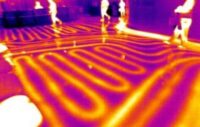
Infrared Explained Infrared can be described as light we can’t see. This is because infrared light waves have longer wavelengths than those of visible light. Visible light we can see with our eyes, but infrared light waves need to be detected and processed with the advanced technology found in infrared cameras known as a bolometer. An infrared camera processes infrared light waves, unlike our eyes, and produces a thermal (heat) image of an object from the infrared. All objects that produce a heat signature are measurable and we use an infrared camera to capture its thermal image. This thermal image…

0 Comments

Asbestos and Indoor Air

What is asbestos? Asbestos is a long thin flexible silky fibrous magnesium silicate material which is toxic. It is strong enough to resist high temperatures, chemical attack and wear. A poor conductor, it insulates well against heat and electricity. It is mined from the ground. Asbestos exposure becomes a health concern when high concentrations of asbestos fibers are inhaled over a long time period. Asbestos exposure is primarily dangerous when the fibers become airborne and are inhaled. Asbestos fibers are usually released in asbestos-containing materials that are damaged or otherwise compromised. Inhalation of asbestos fibers can cause serious illness –…

0 Comments

Biological Pollutants in the Home

Outdoor air pollution in cities is a major health problem. A great deal of effort and money are spent cleaning outdoor air pollution. Air pollution can be a problem where you least expect it, in the place you may have thought was safest — your home. Ordinary daily activities, like: cooking, heating, cooling, cleaning, and decorating, can release pollutants in your home. Studies have shown that indoor air can be even more polluted than outdoor air. Many Americans spend up to 90% of their time indoors. Breathing clean indoor air can have an major impact on your health. People who…

0 Comments

Bed Bugs

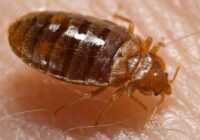
Bed bugs are small and wingless insects that feed upon the blood of warm-blooded animals. Hatchling bed bugs are the size of a sesame seed, while adults are around a quarter of an inch long. Bed bugs are oval in shape and flat. Bed bugs can range from white to tan to brown to burnt orange. They are not known to carry any diseases. Bed bugs feed at night when their hosts (animals and humans) are asleep. When they feed, they inject a tiny amount of saliva into the skin, which can cause allergies or desensitization over time. If you are bitten by a bed bug, refrain from scratching the area, which can lead to greater irritation or infection...

0 Comments

Animal Dander

Dander from animals may worsen your asthma. Pets produce dander that can put asthmatics at risk. These pets include dogs, cats, birds, rabbits, and rodents. Pet dander is the protein in skin flakes, urine, feces, saliva, and hair, and it can trigger asthma symptoms. These proteins are tiny, and they travel through the air and can land on a body part. They can then easily be transferred to the nose or the mouth and thus inhaled. Symptoms may occur immediately, or they may not develop until 8 to 12 hours later.

0 Comments

The Use of Thermal Infrared Thermography In Building Inspection

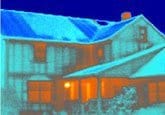
Infrared thermography is the quickest and most efficient method to detect energy waste, moisture intrusion, electrical problems, identify missing insulation, plumbing and structural defects in buildings. An infrared camera shows exactly where the issues are and helps focus the inspector’s attention allowing him to diagnose the areas in need of repair. At A+ Inspections we provide high tech building inspection services for residential, commercial and industrial real estate. Advantages of thermal infrared thermography: Facilitates detection of construction defects Enables the capture of moving targets in real time Measuring in areas where other methods are impossible or dangerous Showing a visual…

0 Comments

Allergy Inspection & Testing

Allergens - Household cleansers, pesticides, paints, new furnishings and construction materials off gas into our environment. Chinese drywall off gas sulphur dioxide. New furniture, carpets, drapes, and upholstery off gas formaldehyde. Birds, mice, rats, ferrets, squirrels, dogs and cats all produce and shed animal dander. If you have any of these in your home, you could suffer an allergenic reaction to animal dander, and our inspectors can test for the presence of animal dander. Invisible little critters live in our homes with us. Dust mites can be found in pillows, bedding, carpets, drapes, and upholstery. They love a dusty and moist environment. Others only come out in the dark—cockroaches. Both are very common allergies, and we can test for these too. Pollens and dust are also common causes of allergies. You will want to talk with your doctor and possibly test for these.

0 Comments

Allergens

Invisible little critters live in our homes with us. Dust mites can be found in pillows, bedding, carpets, drapes, and upholstery. They love a dusty and moist environment. Others only come out in the dark—cockroaches. Both are very common allergies, and we can test for these too. Bedbugs are increasingly common in the US and health officials are urging vigilance and testing for them. These pests have become a real problem for people in their homes, apartments, hotels, motels, health and elder care facilities, colleges and classrooms. They can travel with you (or someone else) to your wherever you sleep! Bedbugs are increasingly common in the US and health officials are urging vigilance and testing for them. These pests have become a real problem for people in their homes, apartments, hotels, motels, health and elder care facilities, colleges and classrooms. They can travel with you (or someone else) to your wherever you sleep! Bedbugs can get into your home in used clothing, furniture, mattresses, box springs, bedding and luggage. They are small and hard to see and like to hide in the tiniest crevices. They can live for months without feeding, but when they do, they rapidly breed and spread. Some individuals get infections from scratching the itchy bites and even scaring.

0 Comments

All About Lead

Let us get acquainted with few facts about lead - Are you aware to the following facts? LEAD PERILS: 1. Exposure to lead can severely affect health of young children and even babies in mother’s womb. 2. Seemingly healthy children can have high levels of lead in their bodies. 3. Inhaling or swallowing lead dust and/or eating contaminated soil and/or paint chips are common sources of lead exposure. 4. Lead hazards can be reduced in many ways, more often than not lead-based paints which are in good condition do not comprise of a hazard. Though removing these paints in improper manner can cause serious lead hazards. After reading some of very common facts about lead you must be inquisitive to know more, especially about how to protect your family from its hazards; you just need to go through below mentioned few simple steps...

0 Comments