

Animal Dander

Dander from animals may worsen your asthma. Pets produce dander that can put asthmatics at risk. These pets include dogs, cats, birds, rabbits, and rodents. Pet dander is the protein in skin flakes, urine, feces, saliva, and hair, and it can trigger asthma symptoms. These proteins are tiny, and they travel through the air and can land on a body part. They can then easily be transferred to the nose or the mouth and thus inhaled. Symptoms may occur immediately, or they may not develop until 8 to 12 hours later.

0 Comments

Asbestos and Indoor Air

What is asbestos? Asbestos is a long thin flexible silky fibrous magnesium silicate material which is toxic. It is strong enough to resist high temperatures, chemical attack and wear. A poor conductor, it insulates well against heat and electricity. It is mined from the ground. Asbestos exposure becomes a health concern when high concentrations of asbestos fibers are inhaled over a long time period. Asbestos exposure is primarily dangerous when the fibers become airborne and are inhaled. Asbestos fibers are usually released in asbestos-containing materials that are damaged or otherwise compromised. Inhalation of asbestos fibers can cause serious illness –…

0 Comments

Bed Bugs

Bed bugs are small and wingless insects that feed upon the blood of warm-blooded animals. Hatchling bed bugs are the size of a sesame seed, while adults are around a quarter of an inch long. Bed bugs are oval in shape and flat. Bed bugs can range from white to tan to brown to burnt orange. They are not known to carry any diseases. Bed bugs feed at night when their hosts (animals and humans) are asleep. When they feed, they inject a tiny amount of saliva into the skin, which can cause allergies or desensitization over time. If you are bitten by a bed bug, refrain from scratching the area, which can lead to greater irritation or infection...

0 Comments

Benefits of Our Infrared Survey

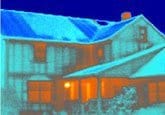
Infrared Explained Infrared can be described as light we can’t see. This is because infrared light waves have longer wavelengths than those of visible light. Visible light we can see with our eyes, but infrared light waves need to be detected and processed with the advanced technology found in infrared cameras known as a bolometer. An infrared camera processes infrared light waves, unlike our eyes, and produces a thermal (heat) image of an object from the infrared. All objects that produce a heat signature are measurable and we use an infrared camera to capture its thermal image. This thermal image…

0 Comments

Biological Pollutants in the Home

Outdoor air pollution in cities is a major health problem. A great deal of effort and money are spent cleaning outdoor air pollution. Air pollution can be a problem where you least expect it, in the place you may have thought was safest — your home. Ordinary daily activities, like: cooking, heating, cooling, cleaning, and decorating, can release pollutants in your home. Studies have shown that indoor air can be even more polluted than outdoor air. Many Americans spend up to 90% of their time indoors. Breathing clean indoor air can have an major impact on your health. People who…

0 Comments

Carbon Dioxide

Carbon dioxide (chemical formula CO2) is a naturally occurring chemical compound composed of two oxygen atoms covalently bonded to a single carbon atom. It is a colorless odorless incombustible gas present in the atmosphere, CO2, formed during respiration, combustion, and organic decomposition and is used in food refrigeration, carbonated beverages, inert atmospheres, fire extinguishers, and aerosols. It is also responsible for global warming. Measuring CO2 concentration is one of the most practical investigative tools available to a practitioner for determining that specific occupied spaces are adequately ventilated. Building design may provide for appropriate ventilation on paper, but in the real world…

0 Comments